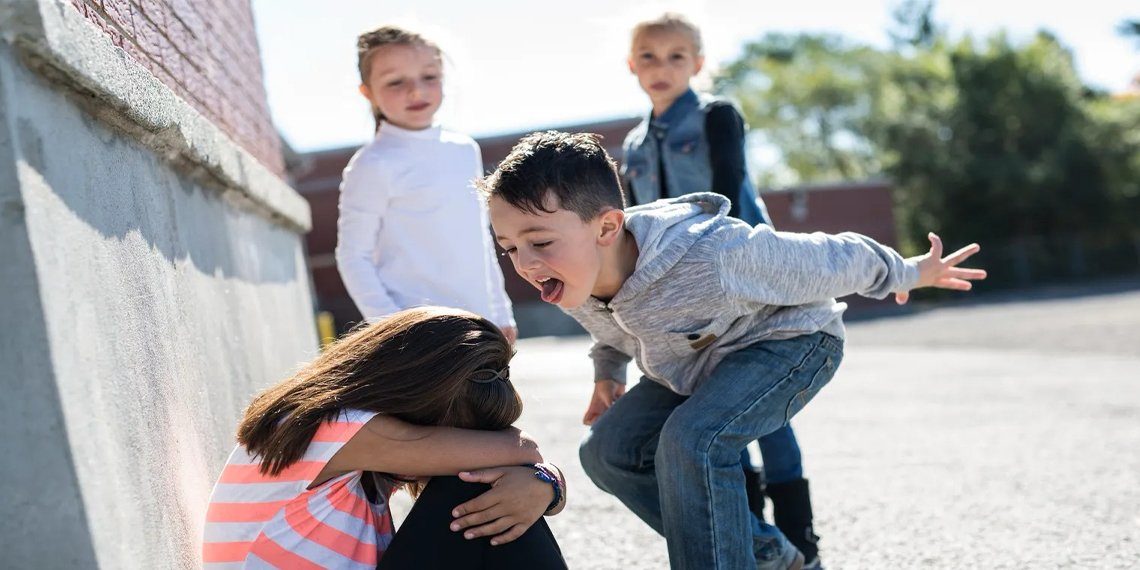
Five Ways to Keep Your Special Needs Child Safe from Bullying
All children can be impacted by bullying, but children with special needs are typically more
severely and permanently affected. Bullying can lead to behavioral problems, low self-esteem,
and lasting insecurities if it is not appropriately addressed. The issue is that although special
needs children are more likely to be the targets of abuse, they frequently lack the
communication skills necessary to inform their parents and caregivers of this abuse.
Bullying doesn’t always have to be physical; it can take many forms. It might involve anything from circulating rumours about a youngster and social exclusion to name-calling and teasing.
Additionally, bullying might include physical violence such pushing, tugging, striking, or
kicking.
A sudden shift in conduct is one of the most important things to watch out for. This can involve more meltdowns than normal, difficulty sleeping, and a discernible rise in worry. At-home bullying of siblings by a special child is also not unusual. These kids frequently lack the
awareness that bullying is unacceptable and will imitate the bad behavior of their peers.
It’s critical to take action as soon as you become aware if your child is being bullied. We’ve
included some practical advice to assist you and your child deal with this difficult behavior
Teaching your youngster to distinguish between nice and abusive relationships is an excellent
place to start. It is possible to teach kids with special needs to recognize bullying as behavior
that causes them bodily or emotional harm. Even while this method can work, it might take
some time for your child to truly grasp the distinction. Additionally, even once they have
recognized the harmful behavior, your child may find it difficult to confront a bully. Some kids
might find it difficult to talk about bullying in words. In this situation, you might want to
encourage your youngster to illustrate their thoughts and emotions. They might even be able to
illustrate how they were bullied in a drawing. In addition to being extremely therapeutic and
cathartic for a child, this can also help you comprehend the abuse better.
It’s critical to inform your child’s school as soon as you discover that your child is being bullied.
Teachers might be able to mediate the situation and offer helpful advice on how to keep your
child safe. To find out what more can be done, make sure to investigate if the school has an
anti-bullying
Although your child’s school can offer assistance and support, remember that you cannot
depend only on them to keep your child safe. Since bullying frequently occurs away from
teachers’ prying eyes, they might not be aware of it.
You may teach your child some techniques to help them cope with bullies more skilfully, even
though they might not be able to defend themselves. You could train your youngster to leave
and go to a teacher’s
office, for instance. Another way is to urge your youngster to draw or write about any
uncomfortable situations. You should write a social tale or action plan in your child’s school
diary, regardless of how you decide to teach them to deal with this harmful behavior.
Due to the lack of structure and teacher supervision, recess and breaks can be very distressing
for kids with special needs. A special youngster is therefore at risk of bullying. Making sure
your child has a carefully considered plan for unstructured play is one approach to prevent this.
One option would be to schedule your child’s lunchtime visit to the school library. If the school
is sympathetic, they might even agree to plan structured play activities during recess.
For a special child, a playgroup is a great way to meet new people. As many kids from your
child’s school as you can should be included. Additionally, you can see if your child’s school
already has playgroups for kids who have trouble making new friends. In addition to helping
your child cope with bullying, this will help them develop important social skills that will aid
them in the future.
Bullying is a concern for all parents. Although there are no assurances that your special kid
won’t experience bullying, you may take preventative measures by making sure your child has
the resources they need to handle this harmful conduct.