Budding Blossom

+91- 9444 222850

buddingblossomrehab@gmail.com

Sensory Diet

A sensory diet is a family-centered method of offering sensory integrated therapy tailored to a child’s and family’s needs. Although they may include food, sensory diets are not the same as food diets. We engage in sensory diets to make us feel relaxed, awake, and in a “optimal” level of alertness. Sensory diets are organized, timed activities that are incorporated into daily routines to assist these people in reaching or sustaining an ideal degree of arousal. A sensory diet can be supervised by a parent, a teacher, or any other involved adult.

Developing a Sensory Diet

In order to follow a sensory diet, the family must record their daily schedule for three to four days, noting any problematic periods. Additionally, the occupational therapist must watch the child in their natural environments, such as their home, school, and daycare. Video recordings of the youngster may occasionally be used to support these observations.
To ensure a sensory activity at least every half hour, you would normally work with a preschooler within the typical activity schedule. An extra activity is not necessary if the usual activity has a sensory foundation. Activities for older kids should be planned according to their needs and sensible breaks throughout the day. Children of a certain age can learn to control their own sensory diet.

Sensory Activities

Activities related to sensory diets are typically fairly easy. Although some parents have utilized swings, hammocks, and tiny objects that can be purchased from catalogs, special equipment is not required. Some examples of activities that can be done at home are provided in the lists that follow.

What warning indicators point to bullying of your child?

A sudden shift in conduct is one of the most important things to watch out for. This can involve more meltdowns than normal, difficulty sleeping, and a discernible rise in worry. At-home bullying of siblings by a special child is also not unusual. These kids frequently lack the awareness that bullying is unacceptable and will imitate the bad behavior of their peers.
  • Running Races
  • Obstacle Courses including dragging/sliding things
  • Silly Walks (e.g., crab walk)
  • Simon Says
  • “Stop Dancing” where you freeze and hold you body posture at breaks in the music
  • Tag
  • Tug-of-war
  • Follow-the-Leader
  • Red Light/Green Light

Swinging/Bouncing (alerting activities)

  • Jump Rope
  • Outside swings/hammocks
  • Trampoline
  • Outside trolley
  • Exercise ball
  • Hang-bar
  • Stilts/Roller Skates
  • Inside swings

Exercises (organizing activities)

  • Running/jogging/biking/Stair Climbing
  • Jumping Jacks
  • Climbing
  • Sit ups and Pullups
  • Horsie and Leapfrog: These are great contact sports. Leapfrog is where one person jumps
    over the other. Next the other person does the same
  • Wheelbarrow/Camel Play: Have the child carry loads on the back like a camel.
  • Pushing a loaded box/wagon/cart.
  • Roughhousing: This can be a good all over sensory experience especially if you push,
    pull, tug, roll, and tumble. Make sure to use proper safety precautions.
  • Tumbling/Head Stands

Other Sensory Stimulation (organizing activities)

**If a child is sensitive to touch they should not be forced to do texture activities

  • Music listening/dancing/singing
  • Pushing and pulling activities: playing with a “stretch ” toy or stiff clay
  • Playing in a sensory table filled with dry beans such as navy or lima, sand, pebbles, or water
  • Cooking Play: When you are cooking let the child play in the cookie dough, bread dough, etc.
  • Dress- up: Collect a box of dress-up items for the child to use. Items can include hats, gloves or mittens, scarves of different materials, etc.
  • Gak, floam, flubber, silly putty, Play-doh
  • Dumping and Pouring: Give the child a cup and bucket. Put blocks, dry beans, sand or water in the item. Then have the child dump the material back and forth from one to the other.
  • Paper Ripping: Let the child have some type of paper material. Allow them to tear strips, squares, or circles from the paper.
  • Catch and Kick The Ball: Toss a Ball back and forth. Then roll the ball back and forth.
    Finally kick the ball back and forth. After this is mastered play Hot Potatoes.
  • Imitation songs and hand games
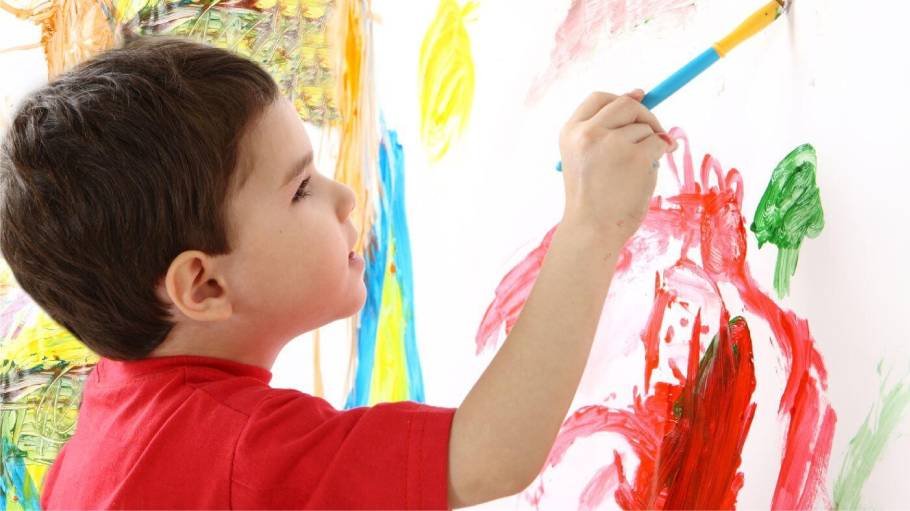
  • Finger painting with plain paint first then adding in; sand, cereal, rice, or other textures.

Calming Activities

  • Cuddling with pillows in a “hideout”
  • Deep pressure massages, back/neck rubs, cuddles or hugs
  • “Heavy work,” such as moving furniture, carrying heavy bags, or lifting weights.
  • Hideaway: Use towels, sheets, blankets, and other materials for placing over a table or two chairs put together to make a fort for the child to play in.
  • Slow swinging or rocking
  • Quiet music listening, books on tape
  • Warm bath or shower
  • Pushing on walls with, back, buttocks, hands, head, or shoulders.
  • Sucking on something… it can be ice water from a squeeze bottle, a Popsicle, or anything else the child enjoys
  • Making a “kid burrito” by rolling the child up tightly in a blanket, or a “kid sandwich” by (carefully) squishing the child between two gymnastic mats or sofa cushions.

Considerations in Planning a Sensory Diet

You should collaborate with an occupational therapist to customize the sensory diet to your child’s requirements.

Activities for alerting, organizing, and soothing should all be included in a sensory diet, depending on how well the child does. This involves targeted problem-area therapies, such as employing “calming” activities during stressful times and “alerting” activities during slower times.

Guidelines:

  • Routines are important so start simple and work up. An example might be after breakfast, after lunch, after school, before bedtime, or every 2 hours.
  • Use an activity that the child has an interest in, this will stop an opening confrontation.
  • When the transition is made between activities and during an activity. Try counting to 5 before making a transition.
  • Watch for signs of child starting to relax by facial expressions, these mean the child is involved in a activity that is working at that time. Crying, whimpering, and laughing, can mean it is time to cool off or calm down.
  • Change the routine occasionally for variety. This will help to keep the sensory diet interesting. This also helps with the ability of change in their environment
  • Talk with your occupational therapist regularly to make sure the diet that you are using is age appropriate and is still fitting your child’s sensory needs.
Scroll to Top