
+91- 9444 222850
buddingblossomrehab@gmail.com
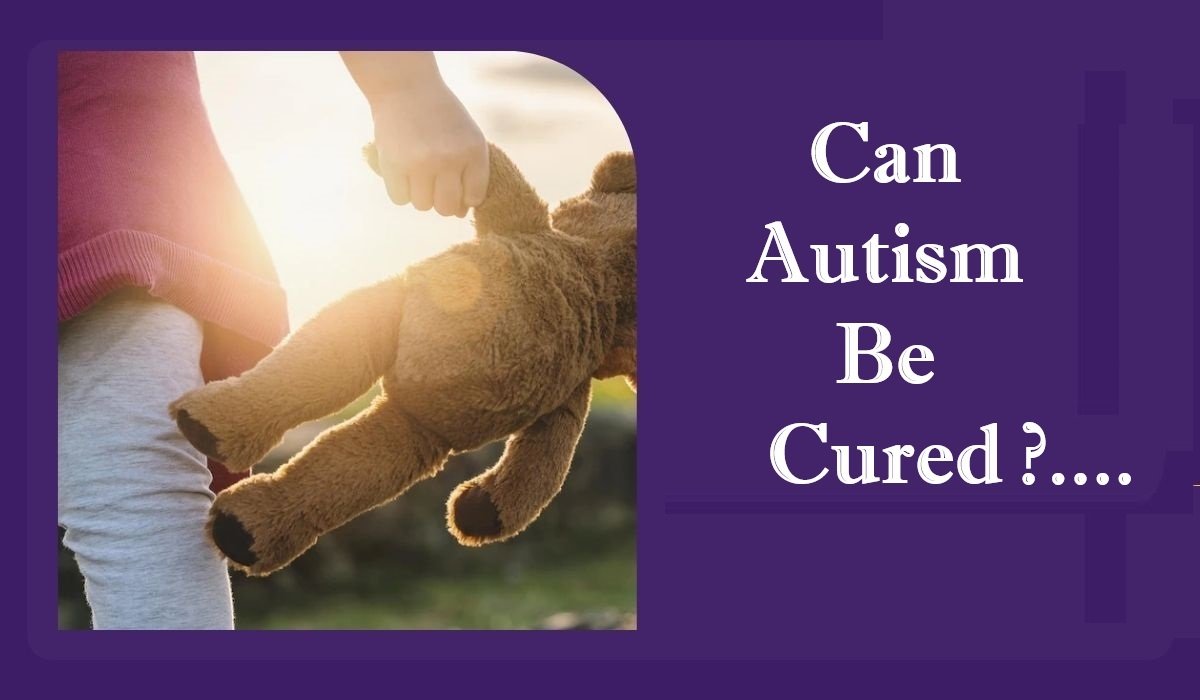
Currently, there is no cure for autism. Autism Spectrum Disorder (ASD) is a lifelong developmental condition that affects social interaction, communication, and behavior. However, there are various therapies and interventions that can help people with autism develop skills and manage challenges, improving their quality of life and supporting greater independence.
Therapies such as Applied Behavior Analysis (ABA), speech therapy, occupational therapy, and social skills training can help individuals with autism learn new skills, improve communication, and reduce challenging behaviors. Early intervention often leads to the best outcomes.
It’s important to recognize that autism is a spectrum, meaning it manifests differently in every individual. For some, the symptoms may be more pronounced, while for others, they may be milder. Many people with autism live fulfilling lives and embrace their neurodiversity, focusing on their unique strengths.
The recovery or progress timeline for children with autism can vary greatly from one child to another. Autism, or autism spectrum disorder (ASD), is a spectrum condition, meaning that it affects individuals in different ways and to varying degrees. There is no “one-size-fits-all” recovery period, as each child has unique strengths, challenges, and developmental trajectories. However, there are several factors that can influence how long it takes for a child to show significant progress:
The earlier a child begins receiving therapy, the better the chances for making progress. Research has shown that early intervention, particularly during the critical developmental years (before age 5), can greatly improve outcomes. Therapy types such as speech therapy, occupational therapy, and behavioral therapy can be particularly effective in helping children with autism improve communication, social skills, and adaptive behaviors.
The intensity and consistency of the therapy a child receives can impact how quickly they make progress. Regular therapy sessions, which might include speech therapy, occupational therapy, and other specialized therapies, can help address developmental challenges more effectively. The more frequent and personalized the therapy, the more likely the child is to show improvements in language, social behavior, and motor skills.
Autism affects each child differently. Some children may develop skills rapidly, while others might take more time. The degree of autism—whether mild, moderate, or severe—can also influence progress. Some children with mild autism may make significant strides in a relatively short period, while others may require ongoing support throughout their lives.
Parental involvement is crucial in supporting children with autism. Consistent home-based activities, communication with therapists, and positive reinforcement from parents can speed up a child’s progress. Family therapy, guidance, and understanding are essential for creating a supportive environment for the child.
Access to high-quality care, including working with professionals such as an autism doctor, speech therapists, and occupational therapists, can make a significant difference in the timeline for recovery. An individualized treatment plan tailored to the child’s needs is crucial for maximizing progress.
Some children with autism may also have comorbid conditions, such as anxiety, ADHD, or sensory processing issues, which can impact their progress. These conditions may require additional interventions, and managing them may take additional time.
While some children with autism may develop enough skills to manage daily activities independently, many will continue to need support throughout their lives. Even after significant progress, lifelong learning and support are often necessary to help the child navigate various challenges.
It’s important to remember that while autism is a lifelong condition, with appropriate interventions, many children with autism can make significant progress in developing essential life skills. The recovery process is not about “curing” autism, but rather providing children with the tools they need to thrive in society. Parents, therapists, and doctors work together to support the child’s growth and development.
It’s best to focus on small, achievable milestones rather than expecting a definitive “recovery” within a specific timeframe. Therapies like speech therapy and occupational therapy can offer tailored support to help your child build the necessary skills at their own pace.