
Budding Blossom

Author name: Admin_Bud_Blo

Uncategorized

Understanding Autism and Anxiety: Tips for Managing Stress in Your Child”

Understanding Autism and Anxiety: Tips for Managing Stress in Your Child” Uncategorized February 25, 2025 For many children with autism, anxiety is a frequent companion. Whether it’s a reaction to changes in routine, challenges with social interactions, or sensory overload, the world can often feel overwhelming. Autism and anxiety often go hand in hand, and understanding the connection between the two is the first step in helping your child manage their stress and feel more at ease. Anxiety in children with autism is a common issue that can significantly impact their daily lives. Studies show that a significant number of children with autism experience heightened levels of anxiety. Understanding why this happens and what you can do to help manage your child’s stress can make a significant difference in their daily life. Here are some tips for managing anxiety in autism, offering autism stress management strategies that can help your child cope with the world around them and thrive. 1. Recognize the Signs of Anxiety Abstract thinking in autism refers to the ability to process ideas that are not physically present or immediately observable. It involves thinking beyond the here and now, allowing a person to understand concepts like: Emotions (e.g., love, guilt, hope) Time (e.g., past, future, duration) Hypothetical scenarios (e.g., “What if?”) Symbols (e.g., using images or words to represent something else) Cause and effect (e.g., how one action leads to another) For many children with autism, abstract thinking is particularly challenging because they tend to focus on the here-and-now, the literal, and the concrete. Therefore, the journey toward abstract thinking starts with gradual exposure to these concepts, often by making the abstract more tangible and relatable. 1. Understanding Emotions Children with autism may not always express their anxiety in ways that are easy to recognize. Unlike neurotypical children who may verbally express their fear or stress, children with autism might display anxiety through physical symptoms or changes in behavior. Some common signs include: Physical symptoms: Fidgeting, rocking, clenching fists, or pacing. Emotional withdrawal: Pulling away from others or becoming non-verbal. Escalated behaviors: Meltdowns, aggression, or self-harming behaviors. Hyperactivity or restlessness: Difficulty sitting still or focusing. Paying attention to these signs and being aware of what might trigger your child’s anxiety can help you intervene early and provide the support they need before the anxiety becomes overwhelming. 2. Create a Predictable Routine Children with autism often find comfort in routine and predictability. Anxiety can rise when there are unexpected changes or when they don’t know what will happen next. A consistent daily schedule can reduce anxiety by giving your child a sense of control and comfort. Action Tip: Use a visual schedule to show key activities for the day. This can help your child follow the day’s events and transitions, reducing autism and sensory overload. 3. Introduce Calming Techniques and Sensory Tools Many children with autism are hypersensitive to sensory stimuli, which can increase their stress levels. Offering sensory tools for autism anxiety can help reduce stress. These techniques can be tailored to your child’s sensory needs, helping them regulate their emotions in moments of distress. Action Tips: Deep Breathing: Teach your child how to take slow, deep breaths to calm their nervous system. Using visual aids or calming apps can make this easier. Weighted Blankets: These can provide soothing pressure that can help children feel more grounded and secure. Sensory Breaks: Give your child time to retreat to a quiet space with sensory tools like a stress ball, noise-canceling headphones, or a fidget spinner. 4. Identify Triggers and Prepare for Transitions It’s important to be aware of specific situations or changes in your child’s environment that trigger their anxiety. These triggers could include loud noises, crowded spaces, unfamiliar routines, or sensory overload. By recognizing these patterns, you can prepare in advance to help your child cope. Action Tip: Work with your child’s school to create autism behavior management strategies, such as using a social story to prepare for transitions. This will reduce stress for your child. 5. Use Social Stories and Role Play For many children with autism, social situations can cause anxiety. They may feel unsure about how to interact with others or how to respond to certain social cues. Social stories for autism anxiety are a fantastic tool for explaining social situations in a way that is clear and predictable. Action Tip: Create social stories that explain common situations that cause anxiety, such as going to a new place, meeting new people, or handling conflict. Role-playing these situations can help your child feel more prepared and confident when they encounter similar scenarios in real life. 6. Encourage Communication and Expressive Tools Children with autism may struggle with verbal communication, which can increase feelings of frustration and anxiety. Providing your child with alternative ways to express their feelings can help reduce stress and make them feel understood. Action Tip: Use communication aids, such as picture exchange communication systems (PECS), AAC devices, or sign language, to help your child communicate their needs and feelings. By giving them the tools to express themselves, you empower them to manage anxiety more effectively. 7. Offer Predictable Responses to Anxiety Sometimes, responding consistently to your child’s anxious behaviors can provide comfort. When they exhibit signs of stress, offer calm, predictable responses to help them feel safe. For example, if they begin to display anxiety in a certain situation, calmly offer words of reassurance or guide them to a sensory tool or calming space. Action Tip: Develop a calm, comforting routine for times of anxiety, such as a specific phrase or action (e.g., “It’s okay, we’ll get through this together”) that your child can rely on when they feel stressed. 8. Practice Mindfulness and Relaxation Exercises Mindfulness for children with autism can be a powerful tool for reducing anxiety. Simple exercises like listening to calming music, focusing on a particular object, or practicing deep breathing can help anchor your child in the present moment, reducing feelings of overwhelming anxiety. Action Tip:


Uncategorized

“From Concrete to Creative: How to Nurture Abstract Thinking in Children with Autism”

“From Concrete to Creative: How to Nurture Abstract Thinking in Children with Autism” Uncategorized February 15, 2025 Unlocking abstract thinking in children with autism is a delicate and transformative process. It requires understanding their unique way of processing the world and offering them the tools to bridge the gap between the concrete, tangible aspects of life and the more abstract, intangible concepts. For children with autism, the abstract world—comprising emotions, time, hypothetical ideas, and metaphorical thinking—can often feel distant and challenging. However, with patience, creativity, and the right strategies, it is possible to help them start to understand and navigate these abstract concepts. Understanding Abstract Thinking in Autism Abstract thinking in autism refers to the ability to process ideas that are not physically present or immediately observable. It involves thinking beyond the here and now, allowing a person to understand concepts like: Emotions (e.g., love, guilt, hope) Time (e.g., past, future, duration) Hypothetical scenarios (e.g., “What if?”) Symbols (e.g., using images or words to represent something else) Cause and effect (e.g., how one action leads to another) For many children with autism, abstract thinking is particularly challenging because they tend to focus on the here-and-now, the literal, and the concrete. Therefore, the journey toward abstract thinking starts with gradual exposure to these concepts, often by making the abstract more tangible and relatable. 1. Understanding Emotions One of the most important aspects of autism cognitive development strategies is understanding emotions—not just their own feelings, but the feelings of others. For a child with autism, recognizing and processing emotions can be difficult, especially when those emotions are not expressed clearly through facial expressions or body language. Application Example: Let’s say a child is struggling to understand the emotion of sadness. Instead of simply telling them what sadness is, try connecting the abstract emotion to something concrete in their environment. Visual Support: Show a picture of a sad face. Ask the child, “How do you think this person is feeling?” Let them describe it in terms they understand—maybe they’ll say, “They are crying,” or “They look like they want to be alone.” Relating to Personal Experience: Next, ask them about a time they felt sad. Maybe they felt sad when their favorite toy broke or when they couldn’t go to the park. “Remember when your toy broke, and you didn’t want to play with it? That’s how this person might feel when they lose something they care about.” By linking the abstract emotion of sadness to a real experience the child has had, you create a bridge to understanding. Over time, as you continue to use these types of examples, they’ll begin to recognize similar emotions in themselves and others. 2. Grasping Time Helping children with autism understand emotions like time is another key challenge. Time is an abstract concept that can be difficult for children with autism to understand, particularly the idea of future events and how they relate to the present. Many children with autism may struggle to understand concepts like yesterday, tomorrow, or even the idea of how long something will last. Application Example: Let’s take the example of a child who is having trouble understanding the difference between morning and afternoon, or what it means when you say “we will go to the park tomorrow.” Use Visual Timetables: Create a simple daily schedule with pictures that represent various activities (e.g., a picture of breakfast for morning, a picture of a toy for playtime, a picture of the park for an outing). This helps the child visualize what happens next in the day and when it will happen. Use a Timer: For tasks that involve waiting (e.g., waiting for playtime or for a snack), use a timer to help them understand the concept of duration. Explain that when the timer runs out, something fun will happen, linking the abstract concept of time to a concrete experience they can understand. As they become familiar with these routines, they’ll begin to understand that certain events happen at specific times of the day, and they’ll be able to anticipate future events based on these patterns. 3. Hypothetical Thinking (What-If Scenarios) Another important aspect of teaching abstract concepts to autistic children is fostering hypothetical thinking. Abstract thinking also includes the ability to think hypothetically or consider possibilities. This is often a difficult concept for children with autism because it requires them to consider things that aren’t immediate or directly in front of them. Application Example: Imagine you want to teach your child about making choices and considering different outcomes, such as “What if you don’t finish your homework?” Role-Playing: Create a simple role-play scenario. You might say, “Let’s pretend that we didn’t do our homework. What might happen?” You can walk through the situation with them, saying, “If you don’t do your homework, you might miss out on something fun, like playing outside.” You can also reverse the scenario, “If you finish your homework first, then you’ll have time to play.” Use Stories and Visuals: Another way to approach hypothetical thinking is by telling stories where characters face choices. For example, a story might say, “Lily had to decide whether to finish her puzzle or go to the park. What do you think she should do? What might happen if she chooses one over the other?” These kinds of discussions help children understand that actions have consequences, even if those consequences are not immediately visible. It teaches them that the world is full of “what ifs” that they can start to navigate and consider in their own lives. 4. Cause and Effect One of the key building blocks of abstract thinking is understanding the relationship between actions and their consequences. For a child with autism, grasping the idea that what they do can create a change or reaction can be incredibly valuable. Application Example: Let’s say a child struggles to understand that their actions affect those around them. A simple yet powerful way to help them understand this is through the concept of

Uncategorized

“Creating Joyful Playtime for Your Child with Special Needs: Effective Strategies You Can Start Today”

“Creating Joyful Playtime for Your Child with Special Needs: Effective Strategies You Can Start Today” Uncategorized February 15, 2025 As a parent of a child with special needs, one of the most profound desires is to see your child engage with the world in joyful, meaningful ways. Play skills for children with special needs are often a critical avenue for learning and social connection. However, for children with special needs, play can sometimes feel distant—either misunderstood or underdeveloped, making it challenging for both the child and the parent. It’s important to remember that play isn’t just about toys or games—it’s about connection, expression, and exploration. And for your child, unlocking their play skills is a journey worth taking. Why Play Skills Matter Play is so much more than just entertainment—it’s how children learn about themselves, others, and the world around them. For children with special needs, improving play skills is essential as it helps them learn social, emotional, and cognitive skills that are vital to their development. But it’s not always instinctive. Many children with special needs, whether they have autism, developmental delays, or other challenges, may find it harder to initiate or engage in play. Unlocking these play skills means opening doors to: Social development: Play is the foundation of building friendships and learning to share, take turns, and understand different perspectives. Communication growth: Through play, children learn language skills, how to express themselves, and how to understand others. Cognitive development: Play encourages problem-solving, creativity, and memory skills. It’s how children learn to navigate the world around them. Emotional development: Play helps children work through their feelings and express emotions in a safe, non-verbal way. For children with special needs, these milestones may not come as easily, and as parents, you may find yourselves feeling unsure of how to help. It’s important to remember that progress can be slow, but every step forward, no matter how small, is a significant victory. Building the Foundations of Play Starting from where your child is emotionally and developmentally is key. Therapeutic play for special needs children can help reduce stress and overwhelm, allowing them to connect with their world in a more natural way. The goal is to make play inviting, fun, and stress-free, creating an environment where your child feels safe and encouraged to explore. 1. Meet Them Where They Are Every child is unique, and so are their play needs. Start by observing your child’s current interests and developmental level. You don’t need to introduce complex toys or games at first—start with simple, sensory-friendly items that catch their attention. Example: If your child loves touching or feeling different textures, begin with sensory play, such as squishy toys, playdough, or textured fabrics. The key is to offer activities that stimulate their senses in a way that feels natural and enjoyable to them. 2. Play Alongside Your Child Sometimes, children with special needs are hesitant to play independently. The best way to encourage them is by playing alongside them, not forcing interaction but modeling and demonstrating how to engage with toys or activities. Example: Sit on the floor with your child and gently start playing with the toy they’re holding. If they are holding a block, for example, you can build a simple tower with the block and say something like, “Look, I built a tall tower! What can we do next?” This shows them how play can work, step by step, without overwhelming them. Over time, they’ll begin to imitate your actions and interactions. 3. Create a Structured, Predictable Environment Many children with special needs thrive in environments where routines are clear and predictable. When introducing new play activities, it’s helpful to establish a structure so that your child knows what to expect. This might mean using a visual schedule or demonstrating the steps of the game beforehand. Example: Before engaging in play, you can show your child a visual of what will happen: “First, we will play with the toy. Then, we’ll take turns. Finally, we’ll clean up the toys.” This clarity helps them understand the flow of the activity, reducing anxiety and fostering confidence in their ability to participate. 4. Make Play Social and Interactive While some children with special needs may initially struggle with the social aspects of play, you can encourage more interactive play by taking small steps. Start with activities that promote turn-taking or mimic cooperative play. Example: A simple turn-taking game, such as rolling a ball back and forth, is an excellent way to build social skills. If your child doesn’t respond at first, gently roll the ball to them, and then wait for them to return it. If they do not yet understand the concept of taking turns, you can guide their hand and help them return the ball. Over time, they’ll begin to understand the shared nature of the game. 5. Use Their Strengths and Interests Every child has interests, whether it’s a favorite toy, character, or activity. By tapping into these interests, you can create a play experience that feels both engaging and empowering for your child. Example: If your child loves cars, you can create a play scenario around that theme. Set up a race track, have toy cars “race,” and model language related to the game (“Go, car, go!” or “The car is speeding!”). By combining play with something your child loves, you increase the chances they’ll engage with the activity and, in turn, develop social, language, and cognitive skills. Tips to Support Play Skill Development Be Patient: Building play skills in children with special needs takes time. Celebrate even the smallest victories, like when your child engages with a toy for the first time or imitates an action you’ve modeled. Each of these milestones represents growth. Keep Play Sessions Short and Fun: For children with special needs, long or overwhelming play sessions can lead to frustration. Keep playtime short and enjoyable—this helps foster positive associations with play. Repetition is Key: Repetition helps children internalize concepts. Repeat activities they

Uncategorized

The Power of Patience: Understanding Your Child’s Unique Journey with Autsim.

The Power of Patience: Understanding Your Child’s Unique Journey with Autsim. Uncategorized February 14, 2025 Parenting a child with autism can feel like a heavy weight on your shoulders, especially when you’re already feeling overwhelmed. And when you’re trying to keep everything “perfect,” it can all get even harder. But I want you to know that it’s okay not to have it all figured out. You’re doing your best, and that matters more than you think. 1. Let Go of the Need for Perfection You don’t need to do everything perfectly. It’s okay if things aren’t always calm or if the day doesn’t go according to plan. Progress might be slow, and that’s perfectly normal. Celebrate the small wins—like a smile, a new word, or a moment of calm—and don’t be too hard on yourself when things get tough. Scenario:You’ve planned a perfect afternoon at the park, but as soon as you get there, your child has a meltdown because the swings are too loud. You feel frustrated because you wanted everything to go smoothly. Instead of letting the frustration take over, take a deep breath and adjust. “I know the swings are too loud. Let’s find a quieter spot.” The day may not look like you expected, but it’s still a win because you adapted. You’ve handled the situation with patience and love, and that’s enough. 2. Create a Calm Routine Having a routine can bring some peace to both you and your child. Kids with autism tend to feel more at ease when they know what’s coming next. So even if it’s just a little structure—like snack time after school or a quiet time before bed—it helps create a sense of stability. And remember, routines don’t have to be rigid. Some flexibility is totally fine. Scenario:Mornings are chaotic, and your child struggles with transitions. It’s always a battle to get out the door. You introduce a visual schedule: “First we eat breakfast, then we brush our teeth, then we put on shoes.” One day, your child points to the “put on shoes” picture and starts doing it on their own. You’ve created a sense of structure, and while it’s still a work in progress, the small win brings relief to both of you. You’ve made mornings a little easier with a calm routine. 3. Focus on the Positive The world can be full of “don’t do this” and “don’t do that,” but focusing on what your child is doing right can make a huge difference. Whether it’s a small accomplishment or just a moment where they feel comfortable, praise it. That encouragement can mean everything to them—and to you too. Scenario:Your child has been struggling socially at school, often isolating themselves. One day, they come home and say, “I played with a friend today.” You respond with enthusiasm: “That’s amazing! I’m so proud of you for talking to your friend!” Even if it feels small, it’s a big step in the right direction. By focusing on these positive moments, you create an environment of encouragement and support. 4. Make Time for You I know it’s easy to forget about yourself in the hustle and bustle of daily life, but you matter too. Find small moments to breathe, even if it’s just closing your eyes for a minute or stepping outside for a walk. You can’t pour from an empty cup, and taking care of yourself isn’t selfish—it’s necessary. Scenario:The constant demands of your day are draining. Between therapy appointments, work, and daily routines, you feel like you’re running on empty. After dinner, you let your child play independently for a while and take a 10-minute break in another room. You sit down with a cup of tea, close your eyes, and take a few deep breaths. It may be a small break, but it helps you reset and feel more capable of handling whatever comes next. By taking a moment for yourself, you’re better able to support your child. 5. Be Patient with the Journey You might not always understand why things are happening or why your child is acting the way they are, and that’s okay. Take your time to learn how they communicate and what they need. It’s a journey that takes time and patience, and sometimes the progress is subtle. That doesn’t make it any less important. Scenario:You’ve been working on communication with your child for months, and it feels like you haven’t made much progress. One day, they use a new word or gesture, and it feels like a breakthrough. Instead of feeling disheartened by how long it took, you focus on the success: “Look how far we’ve come!” You celebrate the small victories and recognize that every bit of progress matters. 6. Ask for Help When You Need It You don’t have to do this alone. Whether it’s reaching out to family, friends, or a professional, don’t hesitate to ask for support. It’s okay to lean on others, and it’s okay to admit that you’re struggling. You’re stronger when you allow yourself to get help. Scenario:You’re feeling overwhelmed with the weight of daily responsibilities. You don’t want to burden anyone, but you’re at your limit. You decide to reach out to a friend and ask if they can watch your child for an hour while you take a breather. At first, it feels uncomfortable, but soon you realize how much lighter you feel afterward. You’re able to handle the next part of your day with renewed energy. Asking for help doesn’t mean you’re failing—it means you’re giving yourself the space to recharge. 7. Celebrate the Little Things Some days may feel hard, but remember to celebrate even the smallest moments. A quiet moment together, a new skill learned, or just a peaceful moment can make all the difference in your day. Scenario:Your child is working hard on self-regulation, and one day they take a few deep breaths instead of having a meltdown when they’re upset. You make a big deal out of

Uncategorized

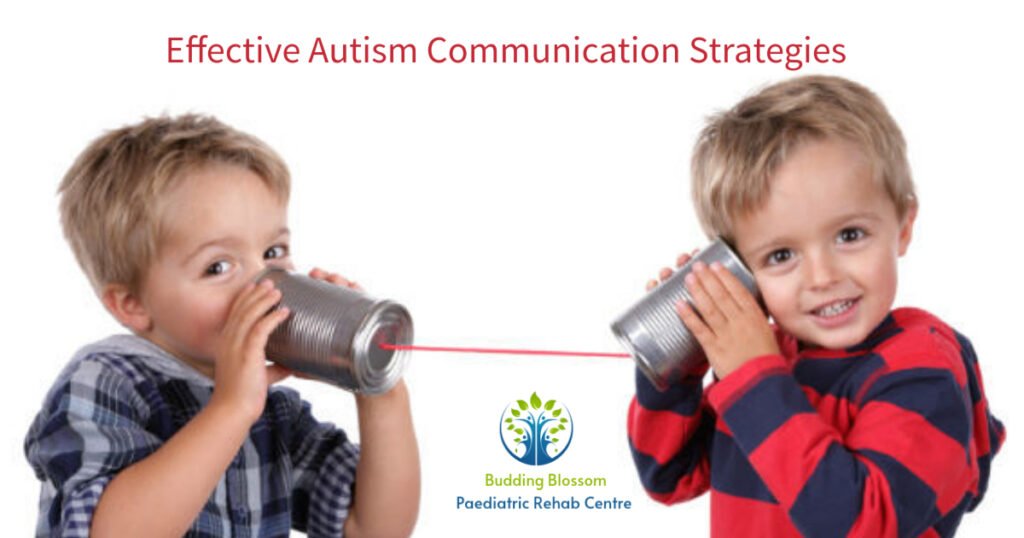
Effective Autism Communication Strategies: Connecting with Your Child in a Meaningful Way

Effective Autism Communication Strategies: Connecting with Your Child in a Meaningful Way Uncategorized February 13, 2025 As a parent of a child with autism, you know how deeply important communication is—both for your child’s development and your relationship with them. But communication can sometimes feel like an impossible puzzle, one where words and expressions don’t always connect the way you hope. Don’t worry; you are not alone. Every parent of a child with autism faces challenges when it comes to communication, but there are effective autism communication strategies that can make a world of difference. Through patience, understanding, and a variety of approaches, you can create an environment where your child feels seen, heard, and understood. This journey isn’t about rushing for results—it’s about progressing together, one step at a time. Here, we explore effective communication strategies that can transform how you connect with your child. 1. Be Patient and Wait for Responses In moments of frustration, it’s easy to feel like communication isn’t happening. But sometimes, the key is simply to give your child time. Children with autism may take longer to process information or respond to questions, and that’s okay. They might be gathering their thoughts or struggling to find the right words. Why it matters: By giving your child space to respond, you demonstrate patience and understanding. It shows them that you are there to listen, and you are ready to engage when they are. This act of waiting doesn’t just help with speech—it strengthens trust, which is the foundation of all communication. Interactive tip: The next time your child is struggling to respond, gently give them time. Instead of immediately prompting or filling the silence, let them guide the pace. This might feel hard at first, but over time, your child will learn to feel more comfortable expressing themselves when they know they have your full attention. 2. Use Visual Supports to Enhance Communication While speech may be challenging, many children with autism are visual learners. Pictures, signs, symbols, and visual schedules can become powerful tools for expressing needs, emotions, and desires. For instance, you might use picture cards to help your child communicate what they want, how they’re feeling, or what activity they’d like to do. Why it matters: Visual supports help make abstract concepts more concrete. For children who struggle with verbal communication, these tools provide clarity, making it easier for them to convey their needs and reduce frustration. It gives them a voice, even when words are difficult. Interactive tip: You can start by creating a simple communication board with pictures of things your child often wants or needs. Place it in an accessible spot in the home and encourage your child to point to the pictures. Over time, this can be expanded to include activities, emotions, or even steps for completing daily routines. 3. Incorporate Augmentative and Alternative Communication (AAC) For children who have limited verbal communication skills, AAC systems—such as speech-generating devices, iPads with communication apps, or sign language—can be game-changers. These systems allow your child to communicate in ways that might be more comfortable or natural for them. AAC provides an alternative way for your child to express themselves, whether they are using technology, gestures, or a combination of both. Why it matters: AAC tools empower your child to communicate independently and confidently. It’s essential to recognize that communication is not just about speaking—it’s about expressing needs, emotions, and thoughts in any way that works for your child. Interactive tip: Explore various AAC options with your child and see which ones they are drawn to. Whether it’s through an app, sign language, or a device, allow your child to experiment and find the method that feels most natural for them. 4. Simplify Language and Be Direct When speaking to your child, it’s important to use clear, simple, and direct language. Avoid long, complex sentences or abstract ideas that may confuse them. Instead, focus on short, concrete instructions and make sure your child understands the message before moving on. Why it matters: Simplified language helps reduce cognitive overload and makes it easier for your child to understand what you’re asking or explaining. Clear, concise communication gives your child the best chance to comprehend and respond. Interactive tip: When you need to give an instruction or ask a question, break it down into smaller, more manageable parts. Instead of saying, “Can you pick up your toys and then go wash your hands before dinner?”, try, “Pick up your toys.” Once that’s done, follow with, “Now, wash your hands.” This small change can make a big difference in how your child processes information. 5. Encourage Non-Verbal Communication Not all communication happens with words. Non-verbal cues—such as facial expressions, body language, gestures, or even eye contact—are crucial to how your child communicates. Pay close attention to these signals, and be ready to respond. Sometimes, your child might be trying to tell you something without using words, and it’s your job to “listen” to those cues. Why it matters: Encouraging non-verbal communication helps your child feel understood even if they are not ready or able to speak. Recognizing and validating their non-verbal signals creates a stronger emotional connection and reduces feelings of isolation or frustration. Interactive tip: When interacting with your child, model non-verbal communication by using gestures or expressions yourself. If they gesture or point to something, acknowledge it by responding to their cue. Over time, this will teach your child that their non-verbal communication is just as powerful as verbal communication. 6. Use Social Stories to Teach Social Skills Social stories are simple, short stories that describe social situations, expectations, and appropriate responses. They can help your child understand how to behave in various scenarios, such as playing with friends, visiting the doctor, or sharing a toy. These stories are a valuable tool for building social understanding and reducing anxiety in unfamiliar situations. Why it matters: Social stories provide structure and clarity, helping your child navigate complex social interactions with confidence. They

Uncategorized

Step-by-Step Guide to Teaching Independence for Your Child with Autism

Step-by-Step Guide to Teaching Independence for Your Child with Autism Uncategorized February 13, 2025 As a parent of a child with autism, you know how deeply you care about your child’s future and well-being. One of the greatest gifts you can give them is the ability to be as independent as possible. It’s a gift that not only enhances their confidence but also helps them navigate the world in a way that fosters growth and self-reliance. Teaching independence for children with autism is a journey that requires patience, love, and understanding, but with each step forward, your child will develop the skills they need to thrive. Here’s a step-by-step guide to help you teach autism independence skills in a way that’s nurturing, supportive, and grounded in love. 1. Start with Small Steps Independence doesn’t happen overnight. It’s about building confidence through small victories. When teaching new skills, break things down into manageable, bite-sized tasks. For example, if your child is learning to dress themselves, begin with teaching them how to put on a shirt. Once they’re comfortable with that, add a new piece to the puzzle, like pants or shoes. Every little achievement will build their confidence. Why it matters: Every small step your child takes toward independence is a success. Celebrate these moments, and remind them how proud you are of their progress, no matter how small it feels. By focusing on autism daily living skills, you lay the foundation for greater independence in the future. 2. Create Consistent Routines Children with autism often thrive in structured environments. Consistent routines help them feel secure and can make the process of learning new skills more predictable. Set up a daily routine for your child that includes time for self-care, chores, and personal tasks. For example, if you’re teaching your child to make their own lunch, create a simple step-by-step visual schedule they can follow each day. Why it matters: Creating routines for autistic children gives your child a sense of control and predictability. Over time, these routines will become second nature, and your child will feel more comfortable taking charge of them, promoting autism self-care skills. 3. Use Visual Supports Visual aids are incredibly helpful for children with autism. Using pictures or simple written instructions can guide your child through tasks in a way that’s clear and easy to follow. For example, you can use visual schedules, step-by-step charts, or checklists to help them complete everyday tasks like brushing their teeth, getting dressed, or packing their school bag. Why it matters: Visual supports for autism independence provide clarity, which reduces anxiety and confusion. When your child can see the steps laid out, they are more likely to feel empowered to take the lead. 4. Model the Task First Children often learn best by watching others. Before asking your child to do something on their own, model it for them. For example, if you’re teaching your child to clean up their toys, show them how to pick up the toys, put them in the basket, and then put the basket back in the closet. Do it slowly, and be patient, making sure they see exactly how to perform the task. Why it matters: When your child sees you doing the task, they’re better able to understand the steps. It’s a powerful way to teach them through example, and it creates a sense of connection as they follow your lead. This method is a key part of autism life skills training, which is essential for promoting independence in children with autism spectrum disorder. 5. Encourage Participation in Simple Tasks Start by involving your child in everyday activities. This can include things like folding laundry, setting the table, or feeding the family pet. Even if your child doesn’t do everything perfectly, the goal is to encourage participation and responsibility. Over time, they’ll learn to manage these tasks on their own. Why it matters: By including your child in family routines, they learn the importance of contributing. It gives them a sense of pride and belonging, helping them see themselves as capable and valued members of the family. This is a great way to foster autism social skills and independence at the same time. 6. Give Positive Reinforcement Every step toward independence deserves to be celebrated! Use praise, rewards, or even a simple “thank you” to acknowledge your child’s effort. Positive reinforcement boosts their motivation to keep trying and reinforces their self-worth. Whether it’s verbal praise or a small reward, it’s important to acknowledge their progress. Why it matters: When your child is praised, they feel encouraged to keep going. They associate their efforts with positive feelings, which makes them more likely to try again. Every bit of encouragement counts, and it strengthens your child’s self-esteem and belief in their ability to be independent. 7. Be Patient and Understanding Patience is key. There will be times when your child struggles or resists trying to do something on their own. It can be frustrating, both for you and for them. But always remember that setbacks are a normal part of the learning process. When these moments happen, take a deep breath, and be gentle with your child. Offer them comfort, guidance, and reassurance. Why it matters: Patience helps you model emotional regulation for your child, which is an important skill for them to learn as well. When they see you stay calm, they’re more likely to stay calm too. Your unwavering belief in their ability to succeed will make a world of difference as they work on autism independence skills. 8. Give Your Child Choices Whenever possible, give your child choices. Whether it’s what clothes to wear, what food to eat, or which activity to do, offering choices helps them feel more in control. This can be a great way to encourage decision-making skills and autonomy. Keep the choices simple and manageable, like, “Do you want the red shirt or the blue shirt?” Why it matters: When your child has the ability to make

Uncategorized

Parent Self-Care: How to Look After Yourself While Supporting Your Child

Parent Self-Care: How to Look After Yourself While Supporting Your Child Uncategorized February 12, 2025 Being a parent to a child with special needs, especially autism, can be a fulfilling yet demanding journey. The emotional, physical, and mental demands of supporting your child with autism or other developmental challenges often leave parents feeling overwhelmed and exhausted. It’s easy to forget about your own well-being when you’re focused on caring for your child’s needs. However, neglecting your own health can lead to burnout, stress, and frustration, which in turn affects your ability to support your child effectively. Parent self-care is not just a luxury – it is a necessity. Taking time for yourself allows you to recharge, reduces stress, and enhances your capacity to be the best parent for your child. This article will provide insights on why self-care for parents of special needs children is essential and offer practical self-care strategies for parents to maintain physical, emotional, and mental health. Why Self-Care is Crucial for Parents of Children with Special Needs Parenting a child with special needs requires significant time, patience, and energy. Parents often find themselves constantly focused on their child’s therapy sessions, daily routines, and behavioral management. This intense focus on your child’s needs can leave little room for personal care. However, neglecting self-care can have serious consequences: Burnout: Constantly caring for your child without taking time for yourself can lead to physical and emotional exhaustion, which is common among special needs parenting tips. Increased Stress: Caring for a child with autism or other special needs can be stressful. Without stress-relief strategies, it can affect your health and emotional well-being. Managing stress as a parent is crucial. Impact on Relationships: The demands of parenting children with autism can strain relationships with partners, family, and friends if self-care for parents is ignored. Maintaining a healthy relationship with others is important for emotional support. Mental Health: Parents who do not prioritize self-care are more likely to experience anxiety, depression, and feelings of isolation, which can impact mental health for parents of children with special needs. Reduced Effectiveness: If you’re exhausted or overwhelmed, you might struggle to provide the emotional and physical support that your child needs. Taking care of yourself enhances your ability to care for others, including using autism parent support to maintain a healthy balance. Practical Strategies for Parent Self-Care 1. Make Time for Yourself Every Day While it can feel impossible to find time for yourself, making self-care a daily priority is essential for maintaining your health. You don’t need hours; even small moments of time for yourself can have a significant impact. Set boundaries: Establish clear boundaries with your time. Even a few minutes each day for yourself can be rejuvenating. Let others in your household know when you need quiet time to recharge. Create a routine: Incorporate self-care activities into your daily routine. For example, you can start your day with meditation or yoga, take a walk in the evening, or enjoy a few minutes of reading before bed. 2. Prioritize Physical Health Physical health is a cornerstone of self-care for parents. Caring for your body not only boosts your energy but also reduces the physical toll that caregiving can take. Exercise: Regular physical activity can reduce stress and improve your mood. Find something you enjoy, such as walking, swimming, yoga, or dancing. Even a 15-minute walk can help. It’s one of the most effective stress management tips for parents of children with autism. Eat Well: Eating nutritious meals supports both physical and mental health. Plan balanced meals and snacks that fuel your body with energy. Don’t skip meals, and try to avoid unhealthy comfort eating. Sleep: Sleep is essential for physical and mental recovery. Aim for 7–8 hours of quality sleep per night. If your child has trouble sleeping, consider seeking professional advice to help them establish a healthier sleep routine. 3. Seek Emotional Support Parenting a child with special needs can be emotionally draining, and it’s vital to have emotional support to navigate the challenges. Join Support Groups: Connecting with other parents who understand your situation can help reduce feelings of isolation. Support groups for parents of children with autism provide a space to share experiences, advice, and emotional support. Therapy or Counseling: Speaking with a professional can be immensely beneficial. Therapy can help you manage stress, cope with anxiety, or address any feelings of frustration or grief that may arise from the challenges of parenting a child with autism. Talk to Family or Friends: Share your feelings with trusted family members or friends. Having someone to talk to can provide emotional relief and offer a different perspective on situations that may be overwhelming. 4. Practice Stress-Relief Techniques Stress is inevitable when caring for a child with autism or special needs, but how you manage it can make all the difference in your overall well-being. Mindfulness and Meditation: Practicing mindfulness or meditation can help calm your mind and reduce stress. Apps like Headspace or Calm can guide you through short meditation sessions that fit into your busy schedule. These strategies are particularly useful for mental health strategies for autism parents. Breathing Exercises: Deep breathing exercises can immediately help you relax. In moments of stress, take a few slow, deep breaths to clear your mind and regain focus. Journaling: Writing down your thoughts and feelings can be a therapeutic way to release pent-up emotions. Journaling helps you process your experiences and reflect on your challenges and triumphs as a parent of children with autism. 5. Delegate and Ask for Help It’s important to remember that you don’t have to do everything alone. Seeking help and delegating tasks to others can ease your burden and free up time for self-care. Ask for Help from Family or Friends: Don’t be afraid to ask for assistance. Whether it’s a family member helping with childcare or a friend taking you out for coffee, accepting support allows you to recharge. Hire Professional Help: If possible, consider hiring a

Uncategorized

Overcoming Behavioral Challenges: Proven Strategies for Parents of Children with Autism

Overcoming Behavioral Challenges: Proven Strategies for Parents of Children with Autism Uncategorized February 12, 2025 Raising a child with autism spectrum disorder (ASD) comes with unique challenges, particularly when it comes to managing behavioral challenges in children with autism. Children with autism often experience difficulties in communication, social interactions, sensory processing, and can display behaviors such as meltdowns, aggression, or self-injurious behaviors. These behaviors may be a way to communicate frustrations, sensory overload, or a need for attention. However, with the right autism therapy techniques and behavioral support, parents can help their children overcome these challenges. In this guide, we’ll explore proven strategies for managing autism behavior, the importance of early intervention for autism, and parenting tips for children with autism that can help improve your child’s emotional regulation and social integration. Understanding Behavioral Challenges in Autism Children with autism often display  spectrum behavior  that can be perplexing to parents. These behaviors include: Tantrums or meltdowns due to frustration or sensory overload. Self-injurious behavior such as head-banging or biting. Aggressive behavior toward others. Repetitive behaviors like hand-flapping, rocking, or repetitive speech. Difficulty with transitions or changes in routine. Communication difficulties, including limited speech or nonverbal communication. Recognizing the root causes of these behaviors is essential. Autism behavioral therapy tips and autism coping strategies focus on understanding the needs of your child and teaching them alternative, positive ways to express themselves. Proven Strategies for Managing Behavioral Challenges Implement Positive Behavior Support (PBS) One of the most effective strategies is Positive Behavior Support (PBS), which focuses on autism behavioral support. PBS aims to understand the triggers behind challenging behaviors and teach children alternative behaviors to communicate needs and emotions. For example, instead of acting out, a child can be taught to use social skills training for autism or simple gestures to express frustration. Identify triggers: Understand what causes your child’s meltdowns or aggression. Is it a noisy environment? A change in routine? Sensory overload? Teach new behaviors: Instead of acting out, teach the child alternative coping strategies such as deep breathing or using a visual chart to express feelings. Reinforce positive behaviors: Positive reinforcement plays a huge role in autism spectrum therapy. Rewarding appropriate behaviors (even small improvements) with praise or a favorite toy encourages the child to repeat those behaviors. Use Applied Behavior Analysis (ABA) ABA is one of the most well-known and effective treatments for autism. It’s a structured approach to teaching children new skills while addressing challenging behaviors. Discrete Trial Training (DTT): This is a highly structured form of ABA where autism spectrum therapy focuses on breaking down tasks into small steps and providing immediate rewards for correct responses. It’s particularly effective for teaching speech therapy for autism or communication strategies. Natural Environment Training (NET): A more flexible approach, NET uses everyday situations to teach autism coping strategies and other skills. It helps integrate new skills into the child’s daily life. Behavioral shaping: Gradually reinforce behaviors that get closer to the desired behavior. For example, teaching a child to communicate using a few words, and eventually expanding their vocabulary and sentence structure. Establish Consistent Routines Many children with autism thrive when they have a predictable environment and routine. Sensory integration therapy for autism can be beneficial, as well as creating a structured environment to reduce the risk of challenging behaviors. Visual schedules: Visual schedules (such as pictures or a written list) are helpful for children to anticipate activities and transitions. This helps reduce anxiety and autism meltdowns. Prepare for changes: If you know there will be a change in routine, such as a visit to the doctor or a new activity, prepare your child by explaining the situation in advance. Consistency in expectations: Ensure that caregivers, teachers, and therapists are on the same page with strategies for managing behaviors. Consistent approaches across different settings can significantly help in reducing autism aggression and other challenging behaviors. Use Sensory Integration Strategies Many children with autism have sensory sensitivities, which can trigger autism meltdowns or self-injurious behavior. Managing these sensitivities with sensory-friendly strategies can help reduce distress. Create a calming environment: Consider setting up a quiet area at home with soft lighting, calming sounds, and sensory toys that help your child feel at ease. Sensory breaks: Incorporate regular sensory breaks to help your child regulate sensory input. These breaks can include activities like jumping on a trampoline, swinging, or using fidget toys. Sensory diets: Work with an occupational therapist to create a personalized sensory diet that includes activities and exercises tailored to your child’s needs, helping them manage sensory overload and autism spectrum behaviors. Teach Emotional Regulation and Coping Skills Children with autism often struggle with emotional regulation, which can lead to outbursts or autism aggression. Teaching your child how to manage emotions can drastically reduce these behaviors. Model emotions: Teach your child how to recognize emotions through visual aids or charts. For example, use an emotion thermometer to help them identify when they are starting to feel upset or frustrated. Introduce coping techniques: Teach coping strategies such as deep breathing, counting to ten, or using a calming activity like squeezing a stress ball. Praise emotional regulation: When your child successfully uses a coping strategy, praise them for their effort. Reinforcing positive behavior will motivate them to use these strategies again. Building a Support System for Parents Parenting a child with autism can be overwhelming, but you don’t have to navigate these challenges alone. Building a support system for autism parents is crucial for emotional support and practical advice. Join online communities: There are many online autism support groups where parents can share their experiences, ask for advice, and receive emotional support. Work with professionals: Collaborate with autism therapists and special needs educators to ensure your child’s needs are met and behaviors are managed effectively. Self-care for parents: Don’t forget to take care of yourself. Balancing the needs of your child and your own well-being is essential to successfully managing behavioral challenges. Conclusion Overcoming behavioral challenges in children with autism requires

Uncategorized

The Power of Early Intervention: Why Starting Early Makes a Difference

The Power of Early Intervention: Why Starting Early Makes a Difference Uncategorized February 12, 2025 Early intervention for special needs is crucial for setting children on the path to success. Whether it’s addressing speech delays, motor skills challenges, or behavioral concerns, starting early with intervention services for children can have long-lasting benefits. In this guide, we’ll explore the importance of early intervention, the types of therapies available, and how parents can access these services to support their child’s growth and development. What is Early Intervention? Early intervention refers to services and therapies provided to children with developmental delays or special needs at the earliest possible age. The importance of early intervention cannot be overstated. By providing specialized support during the critical period of early childhood development, children receive the foundation they need to thrive academically, socially, and emotionally. These interventions can dramatically improve the trajectory of a child’s life. The Benefits of Early Intervention The benefits of early intervention are numerous, and research consistently shows that it maximizes a child’s potential. The earlier a developmental delay or disability is addressed, the more likely the child will be able to catch up with their peers and succeed in life. Here’s why early intervention is so effective:. Brain Development is at its Peak: During early childhood, a child’s brain is rapidly developing, and neural pathways are forming. Early intervention capitalizes on this critical period to support language, motor, and cognitive development. Speech therapy early intervention, for instance, can significantly enhance communication skills for children with speech delays. Minimizing Future Struggles: Early intervention programs for children with special needs, such as those addressing autism or cognitive delays, reduce the need for more intensive services later in life. By addressing developmental issues early, children are less likely to experience severe academic, social, or behavioral challenges in the future. Improved Social and Academic Outcomes: When children receive early intervention, they are more likely to succeed in school and form healthy peer relationships. Early childhood development intervention can help children with social skills, behavioral issues, and learning difficulties, which improves their ability to integrate into regular educational settings. Access to Specialized Therapy Services: Early intervention services often include speech therapy, occupational therapy, and physical therapy. Each of these therapies can address different aspects of a child’s developmental delay or disability. Whether it’s occupational therapy for early childhood development or speech therapy early intervention, these services help children achieve vital skills needed for daily life. Types of Early Intervention Services Speech Therapy Early Intervention: This is essential for children with speech and language delays. It helps children improve communication skills, which are vital for their social and academic success. Occupational Therapy for Early Childhood Development: This therapy helps children develop motor skills, improve coordination, and master daily tasks such as dressing, eating, and writing. Autism Early Intervention: Specialized autism early intervention programs focus on helping children with autism spectrum disorder (ASD) develop social skills, manage emotions, and improve communication. Special Education Early Intervention Services: These programs focus on helping children with learning disabilities or intellectual disabilities reach their full potential by offering tailored education programs. The Long-Term Impact of Early Intervention Starting early with intervention provides children with a better chance of thriving. Early childhood is a critical period for brain development, and by investing in early therapy for developmental delays, children are given a better foundation for learning and social interaction. Maximizing Cognitive Development: Children who receive early intervention have a better chance of achieving cognitive milestones on time. Developmental delays such as speech and language issues or motor skill challenges are much easier to address when caught early. Reduced Behavioral Problems: Early intervention can help prevent or minimize behavioral problems. Children who receive targeted therapies, such as speech or occupational therapy for early childhood development, are less likely to develop disruptive behavior patterns later in life. Accessing Early Intervention Services In  Tamil Nadu, early intervention services for children are available through various government and private organizations. From special education early intervention services to specialized therapy centers, there are many resources parents can access. Parents can start by consulting with a pediatrician, Occupational therapist, Speech Therapist who can assess their child’s developmental milestones and refer them to appropriate specialists. Many areas also have government-funded programs and local support groups where parents can access free or low-cost therapy for their children. How Parents Can Get Involved Parents play an integral role in the success of early intervention programs. By learning more about early intervention strategies, they can advocate for their child and implement these strategies at home. Parent education programs are often included in early intervention services, providing valuable resources and support to help families. Furthermore, parents can connect with other families facing similar challenges. This support network is crucial for managing the emotional and practical aspects of raising a child with special needs. Many organizations in Tamil Nadu, such as those dedicated to autism early intervention or speech therapy early intervention, offer workshops, seminars, and support groups for parents. Conclusion: Early Intervention is Key to a Brighter Future Starting early with intervention is one of the most effective ways to support children with special needs. Whether it’s through speech therapy, occupational therapy, or autism-specific programs, early intervention services help children catch up to their developmental milestones, improve their social and academic outcomes, and build a strong foundation for future success. By investing in early intervention, parents give their children the tools to thrive in the years to come. No matter the specific developmental delay, the earlier the intervention begins, the better the results. Whether you’re in Tamil Nadu or anywhere else, there are plenty of resources and services available to ensure your child’s developmental needs are met from the very start.

Uncategorized

Overcoming Stuttering: How Speech Therapy Makes a Difference

Overcoming Stuttering: How Speech Therapy Makes a Difference Uncategorized February 12, 2025 Stuttering is a common speech disorder that can affect individuals of all ages, causing interruptions in speech, such as repeating sounds, syllables, or words, or prolonging them. While stuttering can be challenging, especially in social and professional settings, speech therapy for stuttering offers effective treatments that help individuals overcome these difficulties and improve communication. In this article, we’ll explore how speech therapy for stuttering can make a significant difference and the stuttering treatment options available. What is Stuttering? Stuttering, also known as stammering, is a speech disorder where a person experiences disruptions in the flow of speech. Common signs include the repetition of sounds, syllables, or words (e.g., “I-I-I want a cookie”) and prolonged sounds (e.g., “sssssun”). While some children may naturally go through a phase of stuttering as part of their language development, for others, it may become a persistent issue. Early intervention through speech therapy for stuttering is essential in addressing this concern. How Speech Therapy for Stuttering Helps Speech therapy for stuttering is one of the most effective methods for reducing the frequency and severity of stuttering. Through various techniques, individuals can improve their fluency and develop better communication skills. Some of the key techniques used in stuttering treatment include: Fluency Shaping Fluency shaping is a technique used in speech therapy for fluency disorders that focuses on teaching individuals to speak more smoothly. This method emphasizes: Slow and Controlled Speech: Encouraging individuals to speak slowly to reduce tension and allow for more relaxed communication. Breathing Exercises: Coordinating speech with controlled breathing to reduce anxiety and prevent stuttering moments. Fluency shaping can significantly help with overcoming stuttering and improving the flow of speech. Stuttering Modification Therapy Another key technique in stuttering treatment is stuttering modification therapy. This method helps individuals modify their approach to stuttering moments. Stuttering modification focuses on: Desensitization: Reducing the anxiety and frustration associated with stuttering by helping individuals accept their stuttering and move past it with confidence. Pull-Outs: Teaching individuals how to ease out of a stutter smoothly instead of getting stuck or feeling anxious. Cancellation: Stopping mid-sentence to correct the stutter and then continuing with a smoother flow of speech. Through stuttering modification therapy, individuals can learn to manage stuttering moments more effectively. Cognitive Behavioral Therapy (CBT) For individuals who experience anxiety related to stuttering, cognitive behavioral therapy for stuttering can be beneficial. CBT helps to identify and challenge negative thoughts about speaking, replacing them with positive and realistic ones. This approach focuses on building confidence, reducing fear, and improving overall communication skills. Building Confidence and Communication Skills Speech therapy for stuttering also aims to improve the individual’s overall communication skills. Therapists use various strategies, such as: Role-Playing: Practicing conversations or presentations in a supportive environment to reduce anxiety. Self-Advocacy Training: Helping individuals learn how to advocate for themselves in situations where they may need additional time or support while speaking. These strategies not only help individuals overcome stuttering but also build confidence in their ability to communicate effectively. Practice and Consistency To see lasting results, consistent practice is key. Speech therapy for stuttering involves daily exercises and techniques to help individuals maintain and improve their fluency. A therapist will guide the individual in practicing fluency shaping and stuttering modification techniques, ensuring that progress is made over time. Family and Community Support The support of family members and peers plays a vital role in the success of stuttering therapy. Involving the family in the process can help them understand the challenges that come with stuttering and provide them with ways to be supportive. A strong support system contributes to maintaining motivation and building confidence in individuals undergoing stuttering treatment. When Should You Seek Speech Therapy for Stuttering? If you or your child is struggling with stuttering, it’s important to seek professional help. Speech therapy for stuttering is particularly beneficial if the stuttering persists past early childhood or interferes with social interactions, education, or work. Early intervention can have a significant impact on reducing stuttering, improving fluency, and boosting communication skills. Speech therapy for fluency disorders is suitable for: Children: Early stuttering treatment helps prevent the disorder from becoming a lifelong challenge. Adults: Even adults who have stuttered for years can benefit from speech therapy for stuttering to reduce stuttering severity and improve communication. Families: Therapy can also help families understand the stuttering treatment process and how to support a loved one in overcoming stuttering. Conclusion Overcoming stuttering is achievable with the right treatment and support. Speech therapy for stuttering offers valuable techniques such as fluency shaping, stuttering modification, and cognitive behavioral therapy to help individuals regain confidence and improve fluency. Whether for children or adults, speech therapy for fluency disorders provides the tools needed to manage and overcome stuttering. Consistent practice, a strong support system, and professional guidance are essential to making lasting progress. Ready to take the first step toward overcoming stuttering? Contact Budding Blossom Paediatric rehab centre today to schedule an assessment and begin your journey toward more confident, fluent communication through effective speech therapy for stuttering

Scroll to Top